Leave Your Message
0%

When it comes to taking care of your car, getting a good handle on Spark Plug Repair is pretty much a must for any vehicle owner. Those little spark plugs might seem small, but they play a huge role in how your engine runs. If they're not working right, it can really hurt your car’s performance, gas mileage, and even how long your car lasts. The Automotive Maintenance and Repair Association (AMRA) mentions that almost 20% of car problems actually come down to bad spark plugs — pretty eye-opening, huh? It just goes to show how important it is to get to know the ins and outs of Spark Plug Maintenance and repair.

Dr. Emily Carter, who’s an expert in car repair, stresses the importance of regular spark plug checks. She says, 'Keeping your spark plugs in good shape can boost your engine’s performance and save you some cash on fuel.' With a little knowledge and the right tools, you can dodge some costly repairs and keep your ride running smoothly. So, in this article, I’ll share ten handy tips to help you do just that — making spark plug repairs easier and more effective. Trust me, learning what to do not only keeps your car running nicely but also helps it last longer. Plus, it saves you money and makes driving a lot more satisfying in the long run.
10 Essential Tips for Successful Spark Plug Repair Every Car Owner Should Know

Understanding the Importance of Healthy Spark Plugs for Your Vehicle

Healthy spark plugs are crucial for the efficient operation of your vehicle. They play a vital role in igniting the air-fuel mixture within the engine’s combustion chamber, which is essential for power generation. According to a study by the Society of Automotive Engineers, faulty spark plugs can reduce engine efficiency by up to 30%. This inefficiency not only impacts vehicle performance, leading to rough idling and stalling but also increases fuel consumption, meaning higher costs for drivers. Regular maintenance of spark plugs can enhance fuel economy and overall engine output, emphasizing their importance in vehicle upkeep.

Moreover, worn or damaged spark plugs contribute to increased emissions, highlighting their role in environmental sustainability. The Environmental Protection Agency (EPA) reports that poorly functioning spark plugs can lead to a significant increase in harmful emissions, with studies indicating that up to 25% of vehicles on the road have spark plugs that could benefit from replacement or repair. By ensuring spark plugs are in good condition, car owners can not only ensure their vehicle operates effectively but also contribute to reducing their carbon footprint, making it essential for both personal and environmental health.

Recognizing Signs of Worn or Faulty Spark Plugs

10 Essential Tips for Successful Spark Plug Repair Every Car Owner Should Know

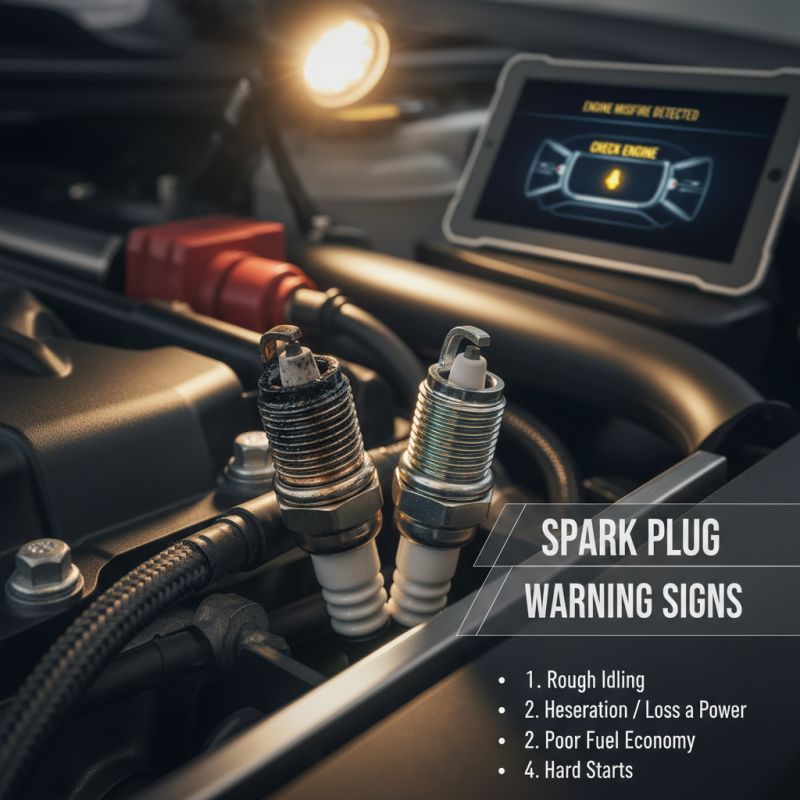
Recognizing signs of worn or faulty spark plugs is crucial for maintaining your vehicle's performance and efficiency. One of the earliest indicators that spark plugs may need attention is engine misfiring, which can manifest as a rough idle or hesitation during acceleration. This can lead to a loss of power and increased fuel consumption, making it vital to address these symptoms promptly. Additionally, if you notice a decrease in fuel economy or difficulty starting your engine, these could also be signs that your spark plugs are not functioning properly.

To ensure your spark plugs are in optimal condition, consider these essential tips. Regularly inspect your spark plugs during routine maintenance checks. Look for signs of wear, such as discoloration or excessive buildup of carbon deposits. Cleaning or replacing worn plugs can help restore your vehicle's performance. Another tip is to adhere to the recommended replacement schedule in your owner's manual, as neglecting this can lead to more significant engine issues down the line. Lastly, check the spark plug wires for any signs of damage, as faulty wiring can lead to spark plug failure.

By staying vigilant about the condition of your spark plugs and following these tips, car owners can prevent costly repairs and ensure their vehicles remain in top working order.

Gathering the Right Tools for Spark Plug Repair

10 Essential Tips for Successful Spark Plug Repair Every Car Owner Should Know

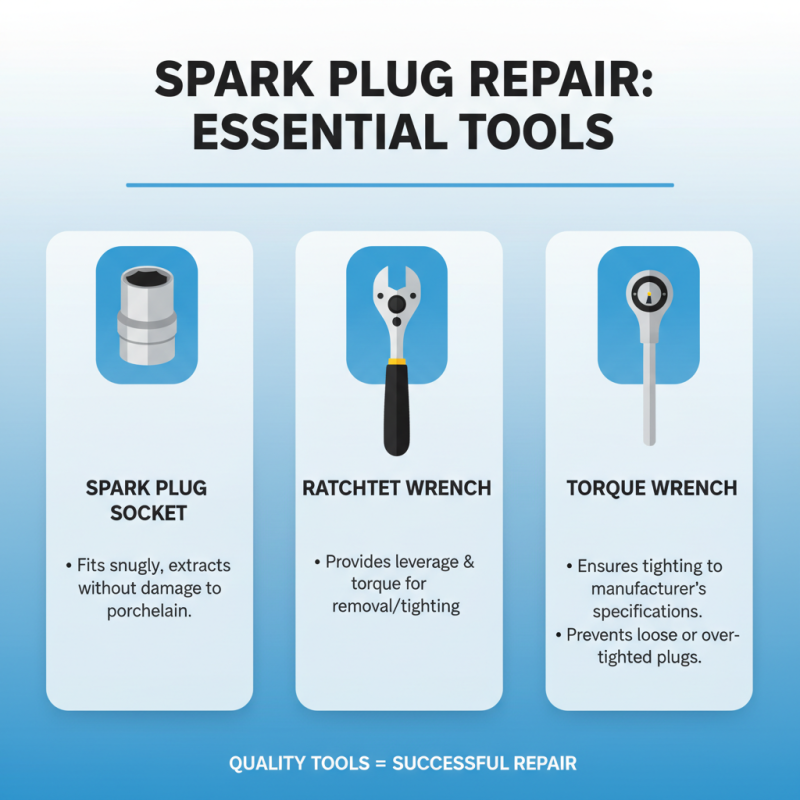
When it comes to spark plug repair, having the right tools is crucial for a successful and efficient process. Start by assembling a quality spark plug socket, which is specifically designed to fit snugly around the spark plug and extract it without damaging the porcelain casing. A ratchet wrench is also essential, allowing for better leverage and torque when removing or tightening the spark plugs. Additionally, a torque wrench is important for ensuring that the spark plugs are tightened to the manufacturer’s specifications, preventing them from becoming loose or over-tightened.

In addition to the basic tools, consider investing in a gapping tool to ensure that the spark plug's electrode gap is set correctly for optimal engine performance. A wire brush can help clean the area around the spark plug before removal, making the process smoother and reducing the risk of debris falling into the combustion chamber. Finally, having some anti-seize compound on hand can facilitate easier removal of spark plugs in the future, as it helps prevent them from fusing with the cylinder head. With the right tools in your kit, spark plug repair can be a straightforward and rewarding task for any car owner.

Step-by-Step Guide to Removing Old Spark Plugs Safely

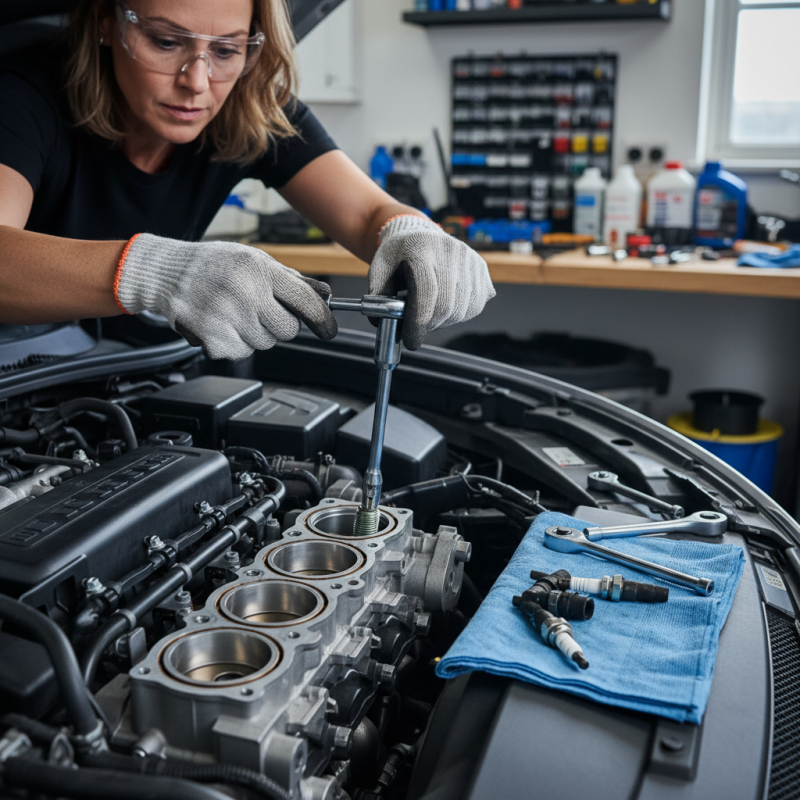
Removing old spark plugs is a task that can seem daunting for many car owners, but with a step-by-step approach, it becomes manageable and safe. First, ensure that the engine is cool to prevent burns and damage to the components. Begin by disconnecting the battery to avoid any electrical mishaps. Once you're ready, locate the spark plugs; they are typically found on the engine block. Using a spark plug socket and a ratchet wrench, gently loosen the plug by turning it counterclockwise. Be careful to apply even pressure to avoid stripping the threads.

As you extract the old spark plugs, inspect them for any signs of wear or carbon buildup. This could give you insights into the health of your engine. To prevent debris from falling into the cylinder, do not remove all the plugs at once; instead, work on one at a time. Once the spark plug is removed, take a moment to clean the area to ensure no foreign particles contaminate the engine. Before installing the new spark plug, check the gap with a feeler gauge to ensure it meets the specifications provided in your vehicle's manual. With everything prepared, carefully thread the new spark plug by hand, and then tighten it with the socket, making sure not to overtighten, which can cause damage. Following these steps will help you safely replace spark plugs and maintain your car's performance.

10 Essential Tips for Successful Spark Plug Repair Every Car Owner Should Know

Tip Number Tip Description Tools Required Estimated Time
1 Gather all necessary tools before starting the repair Socket set, spark plug wrench, torque wrench 15 minutes
2 Ensure the engine is cool before beginning N/A 5 minutes
3 Disconnect the battery to avoid electrical shocks Wrench set 5 minutes
4 Remove the ignition coils or distributor cap if necessary Screwdriver set 10 minutes
5 Carefully remove the old spark plugs Socket wrench 10 minutes
6 Inspect the condition of the old spark plugs N/A 5 minutes
7 Apply anti-seize compound on the threads of new spark plugs Anti-seize lubricant 5 minutes
8 Install the new spark plugs hand-tight first Socket wrench 5 minutes
9 Use a torque wrench to tighten the spark plugs to specifications Torque wrench 5 minutes
10 Reconnect the ignition coils or distributor cap and the battery Wrench and screwdriver set 10 minutes

How to Install New Spark Plugs Correctly

Installing new spark plugs correctly is crucial for maintaining engine performance and efficiency. According to the Society of Automotive Engineers (SAE), improper Spark Plug Installation can lead to significant engine issues, includingmisfires, reduced fuel efficiency, and increased emissions. To prevent these problems, it’s important to follow a systematic approach when installing spark plugs.

Start by ensuring that you are using the correct type and specifications of spark plugs for your engine. As stated in the Automotive Maintenance Industry Report, using incorrect spark plugs can lead to a 10% decrease in fuel efficiency. Before installation, always check the gap between the electrodes. An improper gap can cause poor engine performance. Use a feeler gauge to measure and adjust the gap to manufacturer specifications before placing the plug in the cylinder head.

When installing the spark plugs, ensure that they are tightened to the correct torque specification to avoid damage. The International Journal of Engine Research indicates that over-tightening or under-tightening can lead to issues like stripped threads or uneven pressure on the combustion chamber. A calibrated torque wrench should be used to ensure accuracy. Additionally, applying a small amount of anti-seize compound to the threads can prevent seizing, which is especially important for aluminum cylinder heads. Following these best practices will help ensure a successful spark plug installation, contributing to the longevity and efficiency of your vehicle’s engine.

Tips for Properly Gapping Spark Plugs for Optimal Performance

Properly gapping spark plugs is crucial for ensuring optimal engine performance. When installing new spark plugs, the gap between the center and ground electrode should match the specifications set by the vehicle manufacturer. An incorrectly gapped spark plug can lead to misfires, reduced fuel efficiency, and increased emissions. Therefore, using a feeler gauge to measure the gap accurately is essential. If the gap is too wide, it can result in a weak spark that struggles to ignite the air-fuel mixture, while a gap that’s too narrow can cause excessive spark energy, leading to overheating and potential damage.

Before adjusting the gap, it’s important to handle the spark plug with care, as even slight impacts can misalign the electrodes. The adjustment should be done gently, either by bending the ground electrode or using a proper tool designed for this purpose, ensuring not to damage the plug. After setting the gap, always double-check the measurement before installing the spark plug in the engine. Taking the time to ensure the spark plugs are properly gapped will contribute significantly to the vehicle's overall efficiency and longevity, helping to prevent future issues that can arise from improper installation.

Regular Maintenance and Inspection of Spark Plugs for Longevity

Regular maintenance and inspection of spark plugs are critical for ensuring the longevity and optimal performance of your vehicle. Spark plugs play a vital role in the ignition process, making it essential to keep them in good working condition. By regularly inspecting your spark plugs, you can identify wear and tear early, preventing potential engine troubles down the road. A simple inspection can save you from costly repairs and improve your vehicle's fuel efficiency.

One of the key tips for successful spark plug maintenance is to check their condition periodically. Look out for signs of fouling or corrosion, which can indicate issues within the engine. Remember that a clean spark plug is crucial for a strong ignition. Additionally, consider replacing your spark plugs at the manufacturer-recommended intervals. This practice not only ensures consistent engine performance but also promotes better combustion, which is beneficial for the environment.

Another important aspect is to utilize the appropriate tools during maintenance. A spark plug socket and a torque wrench will help you properly tighten the plugs, preventing damage to both the plugs and the engine. Finally, keeping an eye on your vehicle's performance can alert you to changes that might indicate spark plug issues. If you notice a decrease in acceleration or unusual noises from the engine, it's time to inspect your spark plugs closely. Regular attention to these small yet crucial components can lead to a smoother and more reliable driving experience.

Spark Plug Maintenance Frequency and Performance Impact

This bar chart illustrates the impact of spark plug maintenance frequency on engine performance, measured in horsepower. Regular maintenance intervals help ensure optimal engine function and longevity.

FAQS

: Why is properly gapping spark plugs important?

: Properly gapping spark plugs is crucial for ensuring optimal engine performance, as an incorrect gap can lead to misfires, reduced fuel efficiency, and increased emissions.

How can I accurately measure the spark plug gap?

Use a feeler gauge to measure the gap between the center and ground electrode, ensuring it matches the specifications set by the vehicle manufacturer.

What happens if the spark plug gap is too wide?

If the gap is too wide, it can result in a weak spark that struggles to ignite the air-fuel mixture, leading to poor engine performance.

What issues may arise from a spark plug gap that is too narrow?

A gap that’s too narrow can cause excessive spark energy, which may lead to overheating and potential damage to the spark plug.

How should I handle spark plugs during installation?

Handle spark plugs with care, avoiding impacts that can misalign the electrodes, and adjust gaps gently with the appropriate tools to prevent damage.

How often should I inspect my spark plugs?

Regular inspections are important; checking them periodically can help identify wear and tear early, preventing potential engine troubles.

What should I look for during a spark plug inspection?

Look for signs of fouling or corrosion, as these can indicate underlying engine issues and affect ignition strength.

When should I replace my spark plugs?

It's advisable to replace your spark plugs at the manufacturer-recommended intervals to ensure consistent engine performance and better combustion.

What tools are helpful during spark plug maintenance?

A spark plug socket and a torque wrench are essential tools that help ensure proper tightening of plugs, preventing damage to both the plugs and the engine.

How can I tell if my spark plugs may need attention?

Pay attention to your vehicle’s performance; a decrease in acceleration or unusual engine noises may indicate that it’s time to inspect the spark plugs.

Conclusion

Understanding the importance of healthy spark plugs is crucial for every car owner, as they play a vital role in engine performance. This article outlines essential tips for successful spark plug repair, starting with recognizing signs of worn or faulty spark plugs, which can include poor acceleration, engine misfires, or increased fuel consumption. Additionally, gathering the right tools is imperative for a safe and effective repair process.

The step-by-step guide to removing old spark plugs ensures that car owners can do so without damaging the engine components. Proper installation of new spark plugs, along with tips for correctly gapping them, is key for achieving optimal performance. Lastly, regular maintenance and inspection of spark plugs can significantly contribute to their longevity, preventing future issues and ensuring a smoother driving experience. By following these guidelines, car owners can confidently handle spark plug repair and maintain their vehicle's efficiency.

Ryan

Ryan

Ryan is a dedicated marketing professional at TECHIE Inc., where he leverages his in-depth knowledge of ignition systems for stationary gas engines. With a focus on delivering high-quality products, TECHIE manufactures ignition systems that boast over 95% coverage for a wide range of gas engines,......
Previous Revolutionizing Industries: The Impact of Power Engines on Global Supply Chains and Efficiency